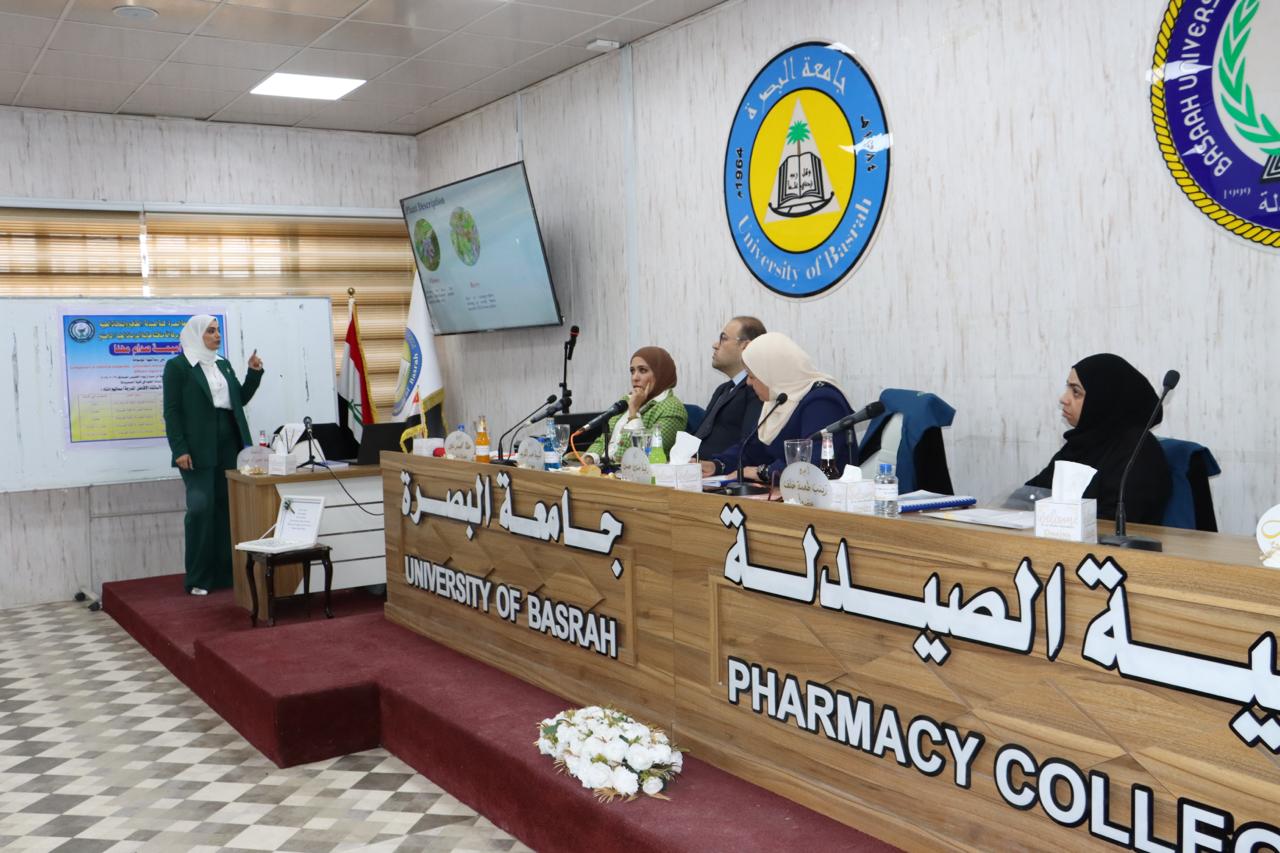
The College of Pharmacy at the University of Basrah deliberated over a Master's thesis presented by researcher Omaima Saddam Muhanna. The thesis explored a comparative study of the chemical, antioxidant, and anti-aging properties of the Lycium plant collected from various geographical regions across Iraq.
The study encompassed evaluating the biological behavior of plant extracts by examining 12 samples using advanced Gas Chromatography-Mass Spectrometry techniques. The primary objective was to accurately identify the compounds present within the samples to establish a comprehensive scientific comparison based on geographical origin, plant parts, and chosen extraction methodologies.
The analytical results illustrated that all tested samples contained biologically significant chemical materials. This included phenolic compounds, terpenoids, and ketones, in addition to Palmitic, Stearic, and Acetic acids. Furthermore, High-Performance Liquid Chromatography (HPLC) was employed to precisely determine the concentration of Lutein across the 12 samples.
The research outputs revealed that leaf extracts possessed higher Lutein concentrations compared to fruit extracts. Notably, the leaf extract collected from the Basrah governorate and prepared via the maceration method exhibited the highest Lutein concentration, reaching 13.55 mg/ml. Conversely, the fruit extract sourced from Baghdad and prepared using the ultrasonic method recorded the lowest concentration at 1.74 mg/ml.

.jpeg)