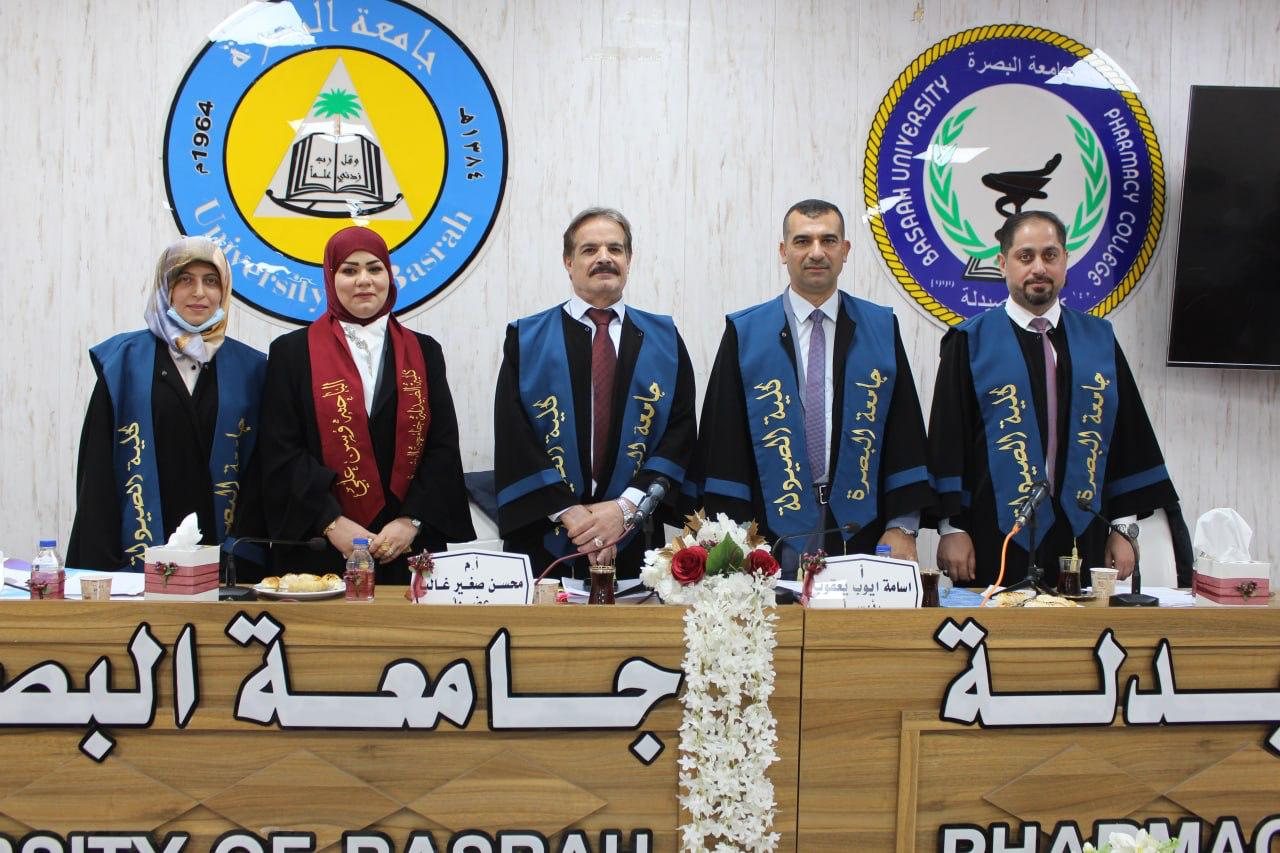
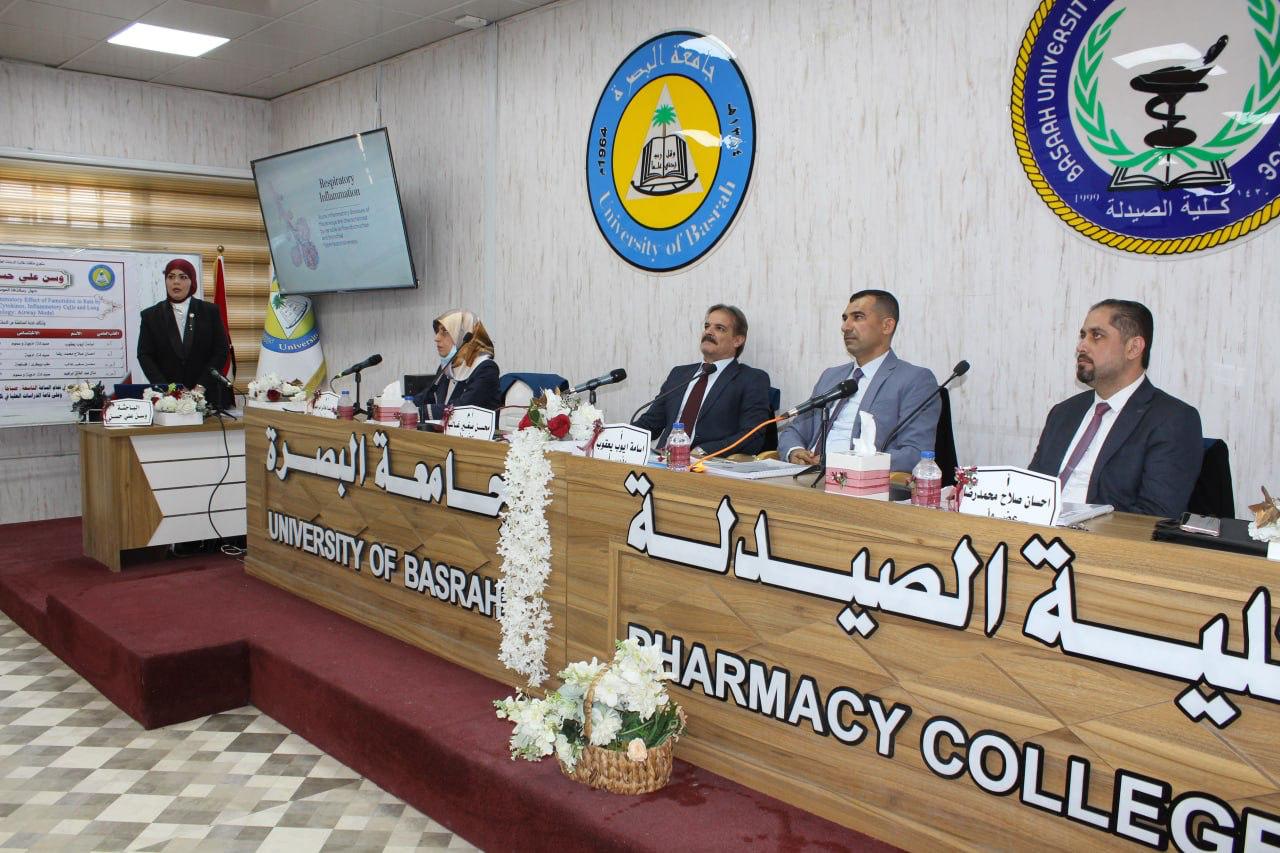
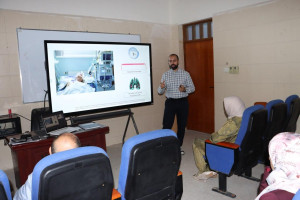
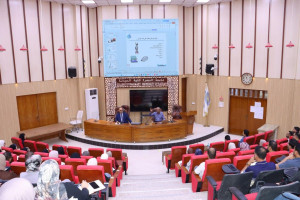
The College of Pharmacy at the University of Basrah successfully discussed a rigorous master's thesis fundamentally evaluating (The Anti-inflammatory Effects of Famotidine Treatment in a Model of Respiratory System Inflammation in Rats).
The scientific thesis, presented by the researcher and student Wasan Ali Hassan, aims to meticulously study and evaluate the precise role of the drug Famotidine in treating certain respiratory inflammatory diseases in rats as an in-vivo model. It thoroughly compares this therapeutic efficacy directly with the conventional treatment represented by Prednisolone.
The documented laboratory results demonstrated that Famotidine exhibits highly effective pharmacological anti-inflammatory effects comparable accurately to Prednisolone in halting airway (pulmonary) inflammation in rats. It was chemically verified that Famotidine prominently contributes to systematically reducing the production of key inflammatory cytokines (TNF-α, IL-6). Additionally, it fundamentally inhibits the activation process of immune cells (such as eosinophils, neutrophils, and mononuclear cells), which in turn reliably mitigates the accumulated damage in lung tissues originally caused by the excessive inflammatory immune response.
Based on these findings, the concluded research results indicated that the drug "Famotidine" may hold advanced and potential therapeutic applications for inflammation, extending significantly beyond its prevalent clinical scope and primary conventional use primarily dedicated to treating stomach acidity, ulcers, and heartburn.